

Duplicate vendor payments, inconsistent contract terms, and overlapping software subscriptions are common symptoms of unmanaged vendor ecosystems. As organizations scale, vendor relationships often grow organically across departments, creating inefficiencies that remain hidden until costs or risks escalate.
Vendor management provides a structured approach to selecting, onboarding, monitoring, and optimizing external suppliers across their entire lifecycle. Rather than treating vendors as isolated transactions, it establishes consistency, accountability, and alignment with broader business objectives.
This article explores how modern vendor management frameworks help organizations reduce costs, mitigate risk, and improve operational visibility. In the sections below, you will discover core concepts, lifecycle stages, and practical strategies for managing vendors effectively in 2026 and beyond.
Key takeaways
- Strategic oversight improves operations: Aligning vendor capabilities with organizational goals ensures long-term efficiency, cost control, and risk mitigation.
- Clear selection criteria and performance metrics are essential: Evaluating vendors based on technical skills, financial stability, cultural fit, and past performance minimizes bias and improves decision-making.
- Automation enhances consistency and reduces administrative burden: Streamlined workflows for onboarding, contract management, and compliance tracking prevent errors and free teams to focus on strategic initiatives.
- Proactive risk management safeguards the organization: Continuous monitoring of vendor performance, financial health, and compliance status prevents disruptions before they impact operations.
- Centralized platforms support collaboration and visibility: Platforms that consolidate vendor data, communication, and performance tracking, such as monday work management, enable cross-departmental alignment and informed decision-making.

What is vendor management?
Vendor management is the strategic process of selecting, onboarding, monitoring, and optimizing relationships with external suppliers and service providers throughout their entire lifecycle.
It acts as a key component of broader procurement processes, transforming external partnerships from simple transactions into strategic relationships that actively support organizational objectives.
This discipline emphasizes viewing vendors as value creators and innovation partners rather than just cost centers. Vendor management relies on four key pillars that help organizations maximize value while minimizing risk:
- Strategic oversight: Aligning external capabilities with business objectives through long-term planning rather than reactive purchasing.
- Relationship focus: Building collaborative partnerships that deliver mutual benefits beyond exchanging goods for money.
- Risk mitigation: Protecting your organization from operational disruptions, financial instability, and compliance violations.
- Performance optimization: Using continuous monitoring and feedback to improve quality, timeliness, and cost efficiency.
Understanding vendor management definition
Expanding on this a little bit more, vendor management encompasses the framework for identifying, evaluating, contracting with, and overseeing external organizations that provide essential goods or services, often supported by specialized procurement software.
This covers raw material suppliers, software vendors, and independent contractors (as well as professional consultants).
The practice also connects specific activities designed to maximize value and minimize risk. These activities include sourcing potential partners, conducting due diligence, negotiating contracts, monitoring performance, and managing the relationship itself.
Core components of effective vendor management
Effective vendor management relies on five essential building blocks that form a unified system. These components provide the structure necessary to manage external relationships efficiently, regardless of industry or company size.
Here’s how the five essential components work together:
- Vendor discovery and evaluation: Identifying potential partners and assessing their capabilities, financial health, and cultural fit before you commit.
- Contract management: Establishing legally binding agreements that define deliverables, service levels, payment terms, and risk allocation so there’s no ambiguity.
- Performance monitoring: Setting up ongoing measurement systems to assess vendor output against agreed-upon KPIs and SLAs.
- Relationship management: Focusing on the human and strategic side, building open communication, collaboration, and ways to resolve conflicts.
- Risk management: Identifying and reducing potential threats like supply chain disruptions, data security breaches, or regulatory issues before they happen.
Vendor management vs vendor relationship management
Vendor management and vendor relationship management are closely connected, but they are not the same discipline. One focuses on structure, compliance, and performance control. The other centers on long-term collaboration and strategic alignment.
Seeing them compared side by side makes the differences clear and highlights how each approach contributes to stronger, more effective vendor partnerships.
| Feature | Vendor management | Vendor relationship management (VRM) |
|---|---|---|
| Primary focus | Operational efficiency, compliance, and cost control | Strategic alignment, trust building, and innovation |
| Key activities | Sourcing, contracting, performance tracking, risk assessment | Communication, conflict resolution, joint planning, collaboration |
| Success metrics | Cost savings, SLA adherence, compliance rates | Vendor satisfaction, innovation output, and partnership longevity |
| Time horizon | Transactional and lifecycle-based | Long-term, evolving partnership development |
| Outcome | Minimized risk and optimized deliverable quality | Maximized mutual value and strategic competitive advantage |
In short, vendor management is the broader discipline that covers technical, financial, and operational aspects. Vendor relationship management is a specialized subset that focuses on partnership alignment and strategic collaboration.
How strategic vendor management transforms business operations
Investing in strategic vendor management can deliver fantastic results that go way beyond simple administrative efficiency. With supply chains getting more complex, regulations tightening, and digital transformation accelerating, strong vendor management is a key driver of operational agility and competitive advantage.
Companies that implement structured vendor management see immediate improvements in cost control, risk reduction, and operational efficiency. These benefits grow over time as vendor relationships mature and processes get more refined.
Achieving cost savings through strategic vendor management
Strategic vendor management generates cost savings beyond traditional price negotiation. Evaluating the entire vendor ecosystem uncovers opportunities that directly improve the bottom line:
- Consolidated purchasing power: Centralizing vendor management leverages total spend volume, securing more favorable pricing tiers than fragmented departmental purchasing.
- Performance-based contracts: Outcome-focused agreements align vendor incentives with efficiency, so you pay for results instead of time or materials.
- Vendor portfolio optimization: Regular analysis helps you identify and eliminate redundant vendors, cutting administrative overhead.
- Process automation: Platforms cut the manual labor hours needed for onboarding and invoice processing, which significantly reduces administrative costs.
Reducing risk and ensuring compliance
Limited visibility into third-party relationships can create operational, financial, and reputational vulnerabilities. Strategic vendor management mitigates these risks through oversight and standardized practices.
Continuous monitoring prevents service disruptions, quality failures, and project delays. Clearly defined contracts and performance tracking avoid cost overruns, hidden fees, and exposure to vendor insolvency. Automated systems verify certifications, insurance, and data security compliance, reducing regulatory risks.
Vetting processes also identify potential ethical issues, safeguarding the organization’s reputation.
Building strategic vendor partnerships
Transforming transactional buyer-supplier dynamics into strategic partnerships unlocks value that contracts alone cannot capture. Strategic partners collaborate to co-develop new solutions, products, or efficiencies that benefit both parties. Aligning vendor success with organizational goals encourages vendors to exceed basic contractual obligations.
Deep partnerships allow your organization to absorb industry expertise and best practices from specialized vendors. Trusted vendors serve as eyes and ears in the market, providing early insights into emerging trends and technological shifts.
Breaking down departmental silos
Fragmented vendor relationships occur when different departments engage the same vendors independently, leading to inconsistent terms and wasted leverage. Centralized vendor management acts as a unifying force across your organization.
A unified approach further ensures consistent messaging and prevents vendors from receiving conflicting instructions from different internal teams. Centralization provides leadership with a complete view of total spend and exposure across the entire vendor portfolio.
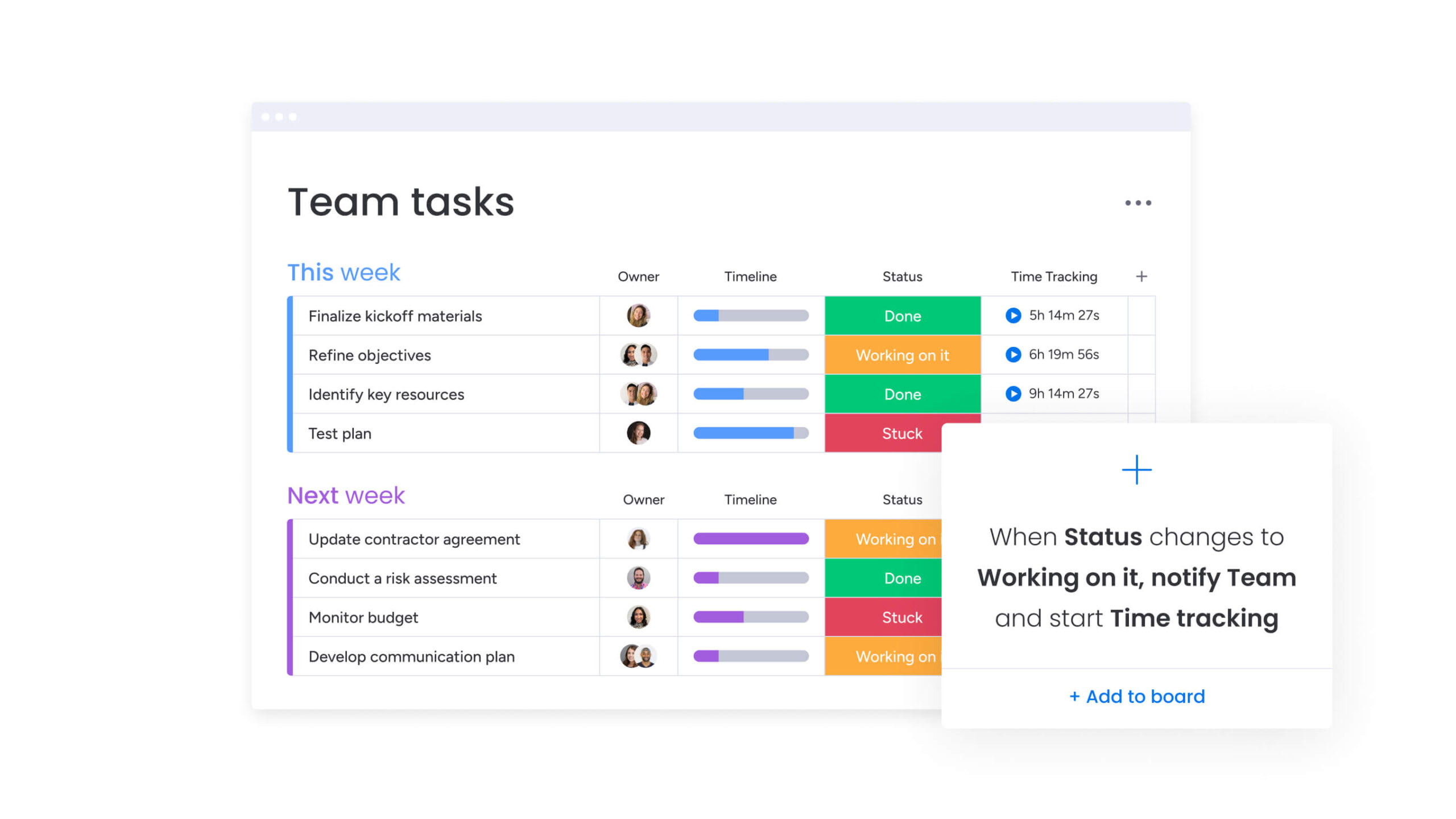
A single framework for evaluation and contracting ensures marketing, IT, and operations all adhere to the same high standards. Modern platforms like monday work management facilitate cross-departmental collaboration, eliminating duplicate efforts and ensuring resources are used efficiently.
How to many vendors effectively
Effective vendor management does not happen by chance. It requires clear standards, structured processes, and the right level of oversight to keep relationships productive and aligned with business goals.
The following ten strategies outline how to build that structure. Each one tackles a common pressure point in growing vendor ecosystems, from selection and onboarding to performance tracking and risk control.
1. Define vendor selection criteria
Establishing objective, measurable selection criteria is your first defense against poor vendor performance. These criteria eliminate bias and ensure every potential partner is evaluated against your specific business needs.
Essential criteria to consider include:
- Technical capabilities: Vendors must possess specific skills, technology stack, and certifications required to deliver the work.
- Financial stability: Revenue thresholds and credit health indicators ensure vendors remain viable throughout the contract term.
- Cultural fit: Alignment in communication styles and corporate values prevents friction during collaboration.
- Compliance requirements: Essential security standards and regulatory adherence must be non-negotiable gates.
- Performance history: Verified references and past project outcomes provide evidence of reliability beyond sales pitches.
2. Implement automated onboarding workflows
Automating the onboarding process reduces time-to-value and ensures no critical compliance step is missed. Manual onboarding creates bottlenecks, but automation creates consistent, swift entry for new partners.
Key automation benefits include:
- Immediate documentation requests: Automated triggers request contracts, tax forms, and insurance certificates immediately upon selection.
- Structured approval routing: Legal, finance, and security teams review and approve vendors in the correct sequence.
- System provisioning: Approved vendors are automatically provisioned in financial and project management systems, eliminating data entry errors.
- Standardized communication: Welcome sequences set expectations for communication channels and reporting from day one.
3. Establish measurable performance KPIs
Meaningful metrics transform subjective opinions about vendor performance into objective data. KPIs must be specific, measurable, and directly linked to business outcomes.
Performance measurement should cover multiple dimensions:
- Service level agreements: Define baseline acceptable uptime, response speed, and delivery timelines.
- Financial metrics: Track cost per unit, budget adherence, and invoice accuracy to ensure financial accountability.
- Relationship indicators: Measure responsiveness and collaboration effectiveness to gauge partnership health.
- Innovation measures: Track process improvements or value-added suggestions, incentivizing vendors to contribute beyond the status quo.
4. Create collaborative vendor portals
Centralized communication platforms replace scattered email threads and ensure all stakeholders work from a single source of truth. A vendor portal acts as the operational hub for your relationship.
These portals provide several key benefits:
- Centralized communication: A single digital space houses all messages, reducing the risk of lost instructions or miscommunication.
- Document sharing: Secure repositories provide organized access to contracts, specs, and brand assets.
- Project visibility: Vendors and internal teams see the same real-time status updates, milestones, and blockers.
- Performance feedback: Dashboards within the portal allow vendors to see their own performance metrics transparently.
5. Automate contract lifecycle management
Automation in contract management prevents costly auto-renewals of unwanted services and ensures compliance with agreed terms. It shifts legal review from a bottleneck to a streamlined checkpoint.
Contract automation delivers value through:
- Template efficiency: Pre-approved legal language speeds up the drafting process.
- Smart routing: Contracts route automatically to the correct signatories based on value or department.
- Proactive alerts: Notifications alert stakeholders before expiration, allowing time for renegotiation.
- Performance monitoring: The system monitors contract terms against actual performance to ensure obligations are met.
6. Deploy real-time performance dashboards
Visual performance tracking moves management from reactive firefighting to proactive optimization. Dashboards provide an at-a-glance view of your entire vendor ecosystem health.
Dashboard capabilities include:
- Trend analysis: Historical data visualization reveals whether vendors are improving or deteriorating over time.
- Early warning systems: Red flags for missed deadlines or quality dips appear immediately, allowing rapid intervention.
- Financial oversight: Real-time spending data highlights budget variances and opportunities for consolidation.
- Stakeholder feedback: Aggregated scores from internal stakeholders provide a pulse check on satisfaction levels.
7. Build proactive risk management frameworks
A systematic approach to risk identifies potential points of failure before they impact operations. Continuous monitoring replaces periodic audits.
Risk management components include:
- Comprehensive assessments: Regular evaluations cover financial health, geopolitical stability, and operational capacity.
- Critical vendor identification: Understanding which vendors are critical to business continuity helps prioritize risk mitigation efforts.
- Contingency planning: Pre-defined backup plans and alternative supplier lists reduce reaction time during crises.
- Automated monitoring: Systems scan for changes in vendor credit ratings or legal status.
8. Enable transparent communication channels
Defined communication prevents misunderstandings that lead to project failure. When critical vendor issues arise, everyone knows who to contact and how.
Communication structure includes:
- Strategic alignment: Scheduled business reviews ensure alignment on strategic goals, not just daily activities.
- Escalation paths: Defined routes for raising issues ensure conflicts are resolved by the right decision-makers.
- Feedback loops: Structured two-way communication allows vendors to suggest improvements to internal processes.
- Documentation: Utilize platforms like monday work management to maintain a complete audit trail of all decisions and changes.
9. Integrate vendor data across your tech stack
Integration eliminates information silos, ensuring procurement, finance, and project teams all see the same vendor data. A unified data strategy prevents errors and duplication.
Key integration benefits include:
- Unified vendor profiles: A single record connects contact info, contract data, and performance history.
- Automated data flow: Payment data flows from finance to the vendor portal without manual entry.
- Cross-system reporting: Analytics combine operational performance data with financial spend data for true ROI analysis.
- Workflow automation: Changes in one system trigger alerts in project management platforms.
10. Optimize vendor relationships continuously
Vendor management is an iterative process of refinement. Continuous optimization ensures your vendor portfolio evolves alongside your business strategy.
Optimization activities include:
- Regular reviews: Quarterly or annual assessments determine whether vendors still fit your organization’s trajectory.
- Market benchmarking: Comparing current vendor terms against market standards ensures you maintain competitive pricing.
- Strategic planning: Joint sessions focus on how vendors can support future organizational initiatives.
- Future alignment: Long-term roadmaps align vendor capabilities with upcoming business needs.

The vendor management lifecycle
Strong vendor management follows a clear lifecycle. From initial discovery to long-term optimization, each stage plays a specific role in protecting value and reducing risk.
Understanding how these stages connect makes it much easier to manage vendors consistently, allocate resources wisely, and avoid surprises as relationships evolve.
Stage 1: Strategic vendor discovery and evaluation
This first stage determines the success of the entire relationship. It involves rigorous needs assessment to define exactly what’s required, followed by market research to identify candidates.
The evaluation process examines technical capabilities, financial stability, and cultural alignment. Scoring methodologies allow teams to compare vendors objectively, ensuring selection is based on data rather than intuition.
Stage 2: Smart contract negotiation
Effective negotiation balances favorable terms with a sustainable partnership. This stage defines rules of engagement, including deliverables, timelines, and quality standards.
Pricing structures are finalized to provide fair value, while risk allocation clauses protect your organization. Performance metrics are written into the contract, establishing the legal basis for accountability.
Stage 3: Rapid vendor onboarding
Efficient onboarding accelerates time to value for new partners. The process typically includes collecting and verifying essential documentation such as insurance and compliance certificates.
Onboarding also includes technical setup for system access and process orientation, helping vendors understand organizational protocols. A seamless onboarding experience establishes a professional tone and strengthens collaboration from day one.
Stage 4: Continuous performance management
Once work begins, focus shifts to active monitoring. This stage involves the detailed tracking of vendor output against established KPIs.
Regular monitoring allows early detection of issues, enabling corrective actions before they become crises. Consistent feedback loops ensure vendors understand their standing and where improvements are needed.
Stage 5: Relationship optimization
The final stage focuses on maximizing long-term value. It involves analyzing cumulative vendor performance to make strategic decisions about the future.
Organizations work with high-performing vendors to identify innovation opportunities and process improvements. This stage governs strategic decisions to renew, expand, or terminate relationships based on evolving business objectives.
Try monday work management
“monday.com has been a life-changer. It gives us transparency, accountability, and a centralized place to manage projects across the globe".
Kendra Seier | Project Manager
“monday.com is the link that holds our business together — connecting our support office and stores with the visibility to move fast, stay consistent, and understand the impact on revenue.”
Duncan McHugh | Chief Operations OfficerVendor management systems vs manual vendor management
Vendor management often starts simple. A spreadsheet tracks suppliers. Contracts sit in shared folders. Approvals move through email threads. For a while, that feels manageable.
As the number of vendors grows, though, the cracks show. Information gets duplicated. Renewals are easy to miss. Performance data lives in separate files. What worked at ten vendors becomes chaotic at fifty.
That shift is where the difference between manual processes and a dedicated vendor management system becomes obvious. The sections below highlights what changes when structure, automation, and real-time visibility replace scattered tracking.
Why spreadsheets limit vendor management success
While spreadsheets function for small lists, they fail as systems for enterprise vendor management. They lack scalability to handle complex, multi-stakeholder relationships and offer no real-time collaboration features.
Data integrity is constantly at risk due to version control issues and manual entry errors. Spreadsheets cannot automate workflows or provide proactive notifications necessary to prevent missed contract renewals.
Key capabilities of cloud-based vendor management software
The table below compares the capabilities of different vendor management approaches, helping organizations understand what to look for in a platform.
| Feature | monday work management | Traditional vendor management | Spreadsheet-based approach |
|---|---|---|---|
| Workflow automation | Custom no-code triggers and actions automate approvals and alerts | Rigid, hard-coded processes requiring IT support to change | Zero automation; requires manual email and data entry |
| Real-time collaboration | In-context communication and file sharing on specific items | Disconnected email threads and phone calls | Version control issues; files buried in email attachments |
| Performance analytics | Instant, customizable dashboards visualizing live data | Static, periodic reports are outdated by the time they're read | Manual data aggregation is prone to formula errors |
| Vendor portal access | Secure, controlled guest access for direct collaboration | Limited or non-existent external access | Files must be exported and emailed securely |
| Scalability | Flexible architecture that grows with vendor portfolio | Expensive and complex to scale; often requires upgrades | Becomes unmanageable and slow as data volume increases |
ROI of automated vendor management platforms
Return on investment for vendor management platforms is realized through direct cost savings and risk avoidance. Automation significantly reduces administrative hours spent on routine activities, freeing teams for strategic work.
Improved data leads to stronger negotiation positions and cost optimization. Prevention of a single compliance violation or supply chain disruption often covers the platform cost entirely.
AI and automation in vendor management
Artificial intelligence and automation are changing how vendor management works. Instead of reacting to issues after they surface, organizations can anticipate risks and act earlier. AI processes large volumes of performance, financial, and compliance data in seconds, uncovering patterns and warning signs that manual reviews often miss.
This shift replaces periodic check-ins with continuous visibility. Rather than scrambling to fix disruptions, teams can monitor vendor health in real time and step in before small issues escalate into operational problems.
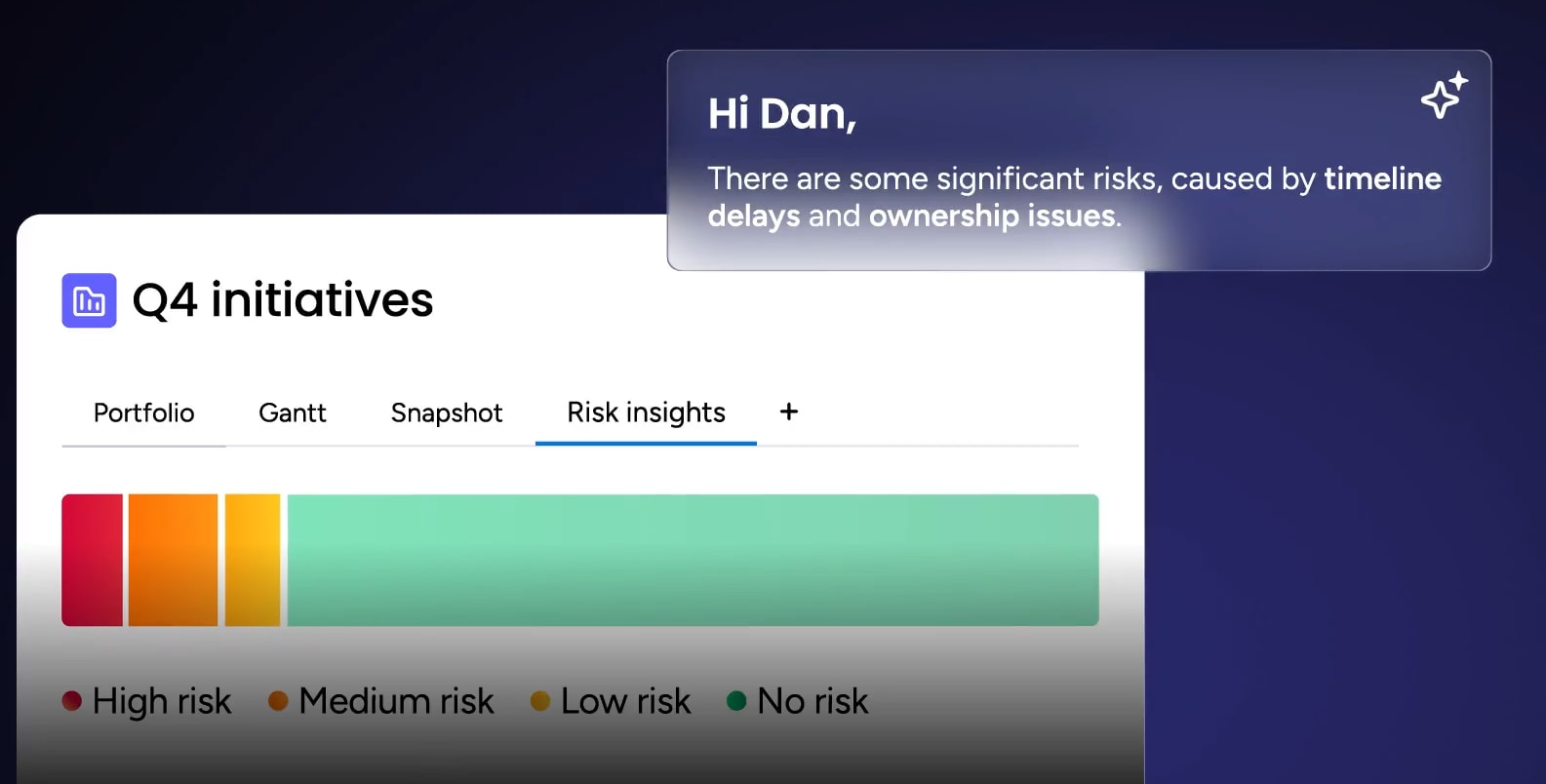
AI-powered vendor risk detection
AI algorithms analyze patterns to detect risks early. By monitoring financial statements, market news, and performance trends, AI provides early warnings of vendor instability.
AI risk detection capabilities include:
- Insolvency prediction: Automated systems scan market data to predict vendor insolvency risks.
- Quality degradation alerts: AI identifies subtle degradations in service quality that precede major failures.
- Market monitoring: Systems continuously monitor the competitive landscape for threats to vendor viability.
- Compliance verification: Automated verification checks certifications against regulatory databases instantly.
Automated compliance and audit trails
Automation ensures compliance is a continuous state rather than a periodic check. Systems monitor certification expiry dates in real-time and automatically trigger renewal requests.
This creates comprehensive, unalterable audit trails that simplify regulatory reporting. Documentation is collected, organized, and stored systematically, ensuring your organization is always audit-ready.
Predictive analytics for vendor performance
Predictive analytics uses historical data to forecast future outcomes. This capability allows organizations to anticipate capacity constraints or performance dips before they occur.
It also aids contract optimization by analyzing which terms and conditions have historically led to the strongest outcomes. By predicting relationship health, managers can intervene proactively to save failing partnerships or transition away before disruption occurs.
Try monday work management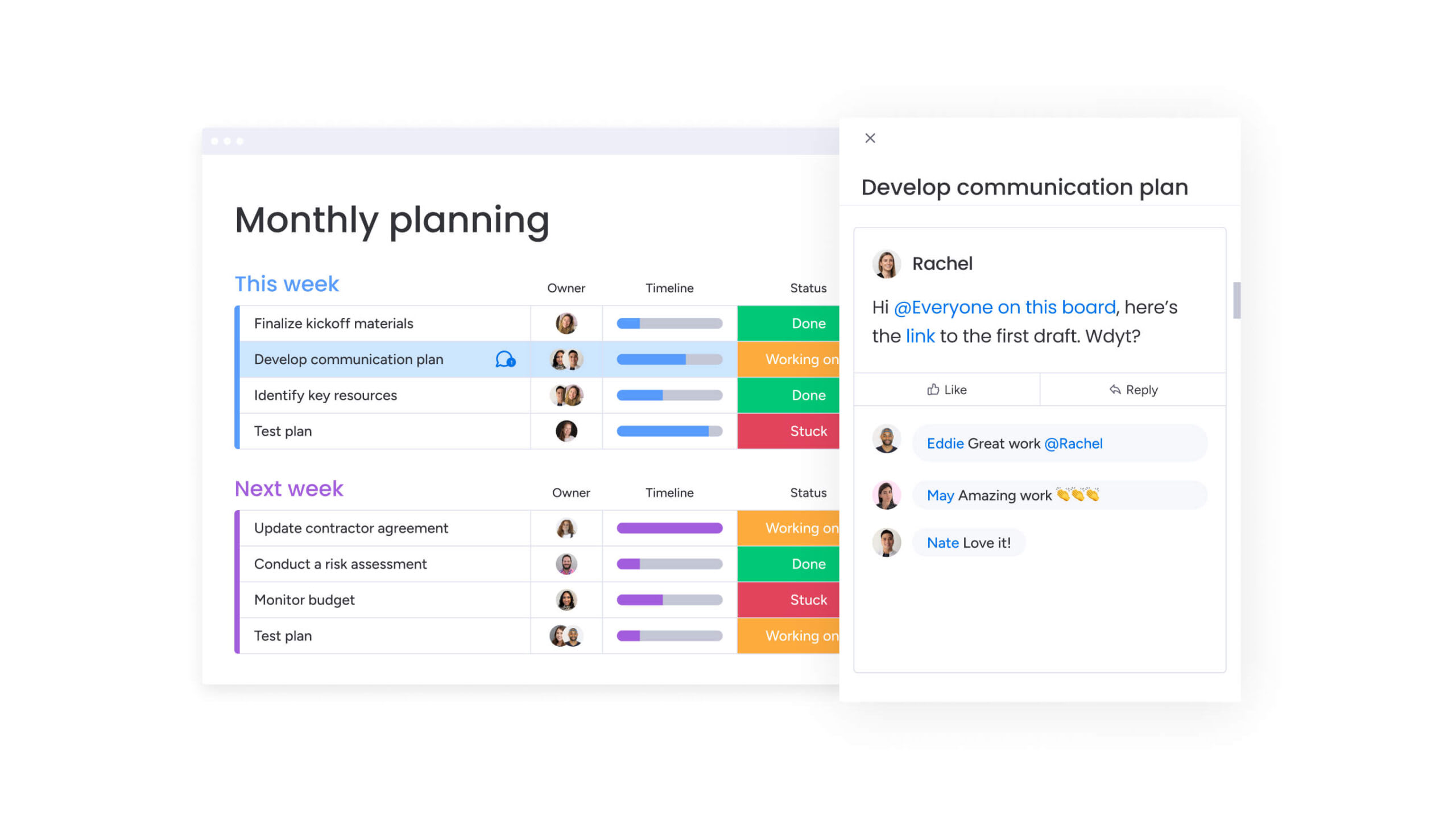
Scale vendor management excellence with monday work management
Managing vendors at scale requires more than scattered files and email threads. It requires a system that keeps contracts, performance data, approvals, and communication connected.
monday work management brings that structure into one shared workspace. Vendor information, workflows, and automation live side by side, giving teams real-time visibility into performance, renewals, compliance, and costs. Instead of chasing updates across departments, teams work from a single source of truth and adapt quickly as priorities shift.
Build visual vendor management workflows in minutes
The platform’s visual workflow builder allows teams to design custom vendor management processes without writing code. The drag-and-drop interface makes it easy to map out every lifecycle stage, from discovery to offboarding.
Customizable templates provide starting points adapted to specific industry needs, ensuring the process fits your business, not the other way around.
Automate vendor approvals and communications
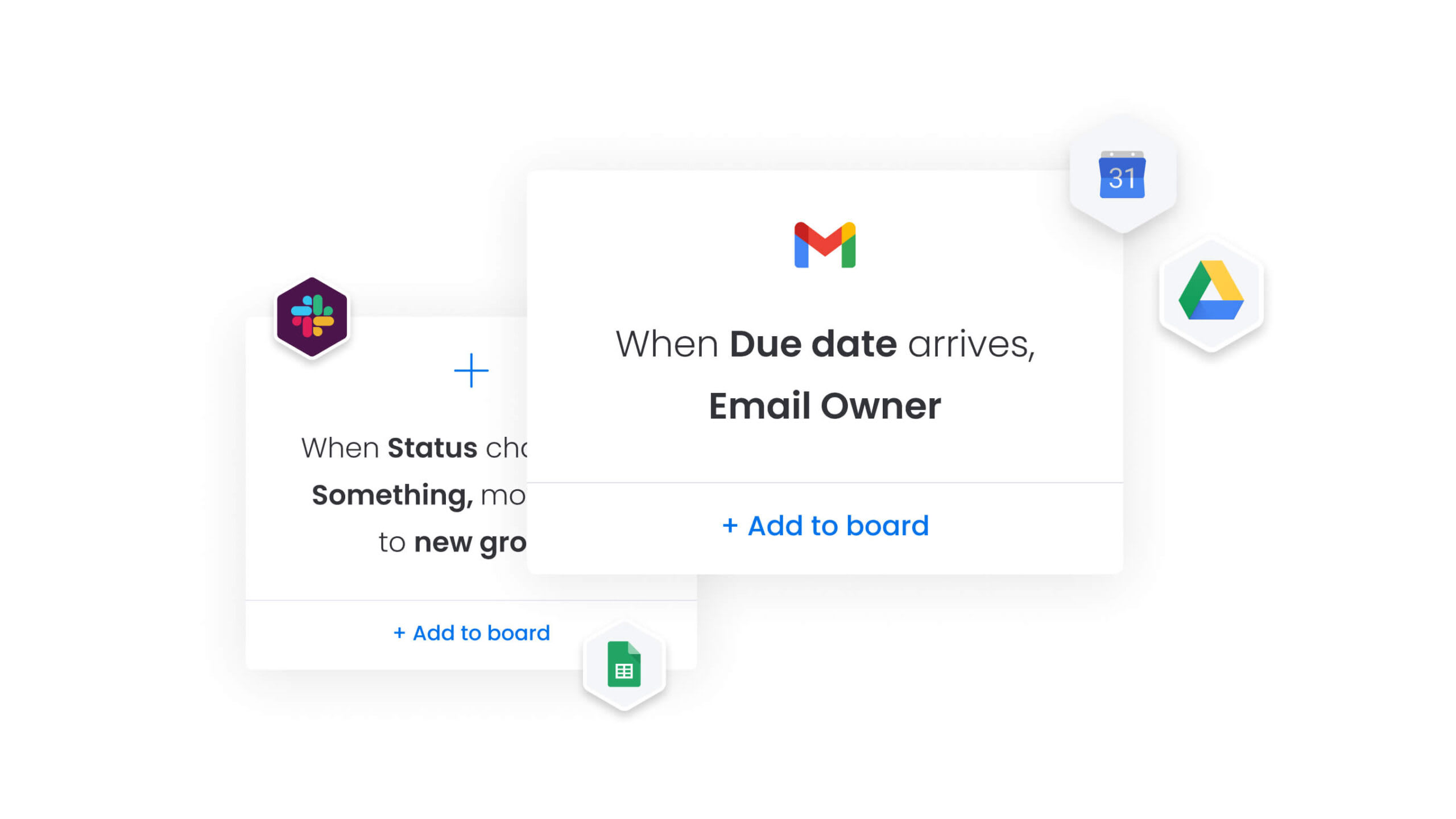
monday work management removes friction from vendor operations through powerful automation. Approval workflows route contracts and invoices to the right stakeholders instantly, preventing bottlenecks.
Automated triggers send notifications for contract renewals, performance milestones, or missing compliance documents. This ensures critical activities are never missed, and communication remains consistent.
Connect vendors, teams, and data in one platform
The sophisticated platform acts as a central digital workspace, breaking down silos between departments. Procurement, legal, and finance teams work from the same real-time data, ensuring alignment.
Secure guest access allows vendors to collaborate directly within the platform, updating progress and accessing shared documents. Integrations with existing systems create a unified ecosystem where data flows seamlessly between applications.
Transform vendor chaos into strategic advantage today
Managing vendors in 2026 is increasingly complex. Organizations face challenges like duplicate payments, siloed vendor data, inconsistent contracts, and hidden risks across departments. These inefficiencies can drain resources, reduce operational visibility, and hinder strategic decision-making.
monday work management addresses these challenges by connecting daily vendor workflows to broader business objectives, providing structure, transparency, and automation that scale with your organization.
Key benefits include:
- Centralized vendor data and collaboration: All vendor information, documents, and communication live in one secure platform, eliminating silos and miscommunication.
- Automated workflows and contract management: Onboarding, approvals, renewals, and compliance tasks are streamlined, reducing errors and administrative burden.
- Real-time performance monitoring and dashboards: Track KPIs, SLAs, and vendor risk continuously, enabling proactive decision-making.
- Predictive insights and AI-driven risk detection: Identify potential disruptions before they impact operations, from financial instability to quality issues.
- Scalable, visual workflows: Build and customize vendor management processes without coding, adapting to evolving business needs.
By implementing monday work management, organizations can transform fragmented vendor relationships into strategic assets, driving efficiency, alignment, and measurable impact across the entire vendor ecosystem, all without added complexity.
Frequently asked questions
What is the difference between vendor management and procurement?
The difference between vendor management and procurement is that vendor management encompasses the entire relationship lifecycle with external suppliers, including strategy and performance, whereas procurement focuses specifically on the transactional process of purchasing goods and services.
How many vendors should an organization typically manage?
Most organizations benefit from consolidating to a manageable portfolio of 20-50 strategic vendors, which allows for deeper partnerships and effective oversight while reducing administrative overhead.
What skills are essential for vendor management?
Effective vendor management requires strong negotiation abilities, relationship-building skills, analytical thinking for performance evaluation, and project management capabilities to coordinate multiple relationships simultaneously.
How do you calculate vendor management ROI?
ROI is calculated by comparing total costs of management activities against achieved benefits, including cost savings, risk reduction, and efficiency gains, with most organizations seeing positive returns within 6-12 months.
When should you transition to a new vendor?
Organizations should transition when current vendors consistently fail to meet performance standards, when market alternatives offer significantly improved value, or when business needs evolve beyond current vendor capabilities.
What is vendor lifecycle management?
Vendor lifecycle management is the systematic approach to managing vendors through all stages, from initial identification and onboarding through performance management and eventual contract renewal or termination.

 Get started